
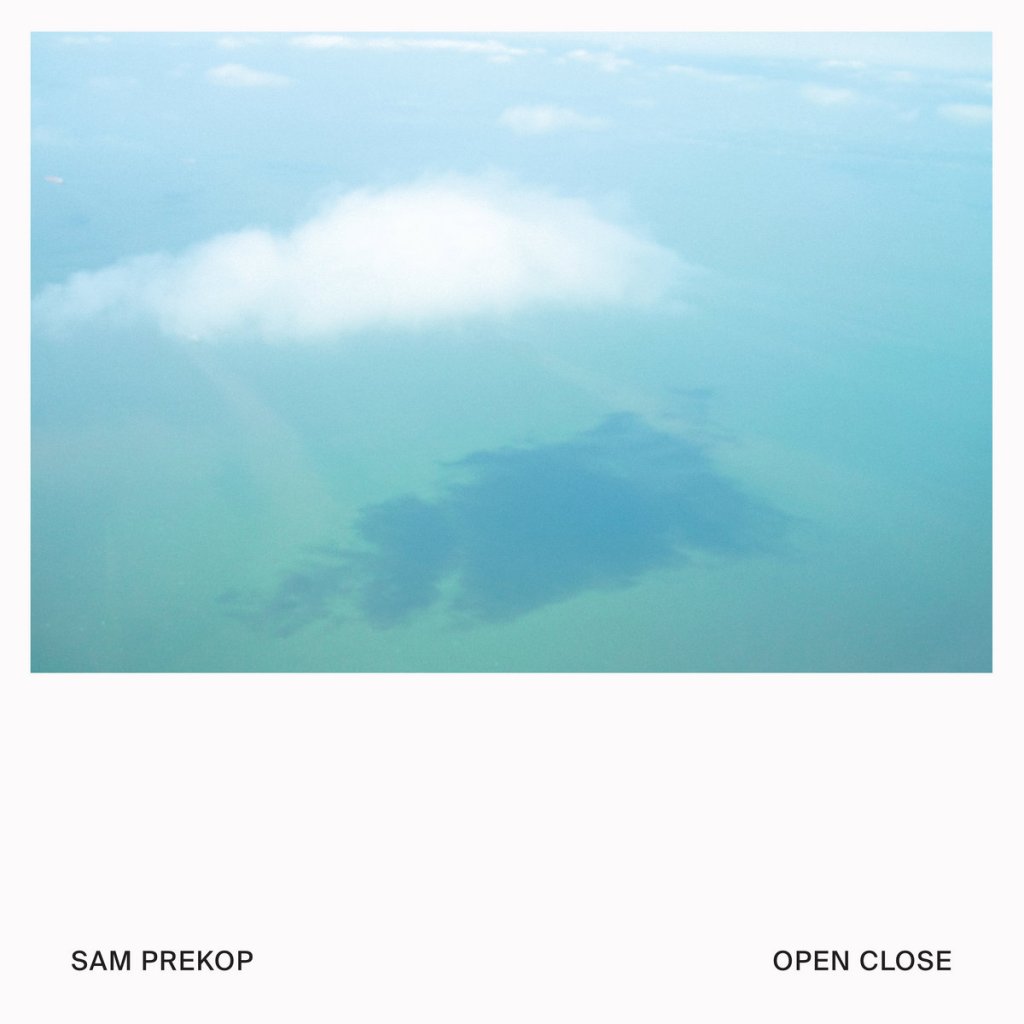
Followers of Sam Prekop, the Chicago multi-hyphenate creator, are familiar with his online modular synth performances. Facing away from the lens, he generates new, investigative sounds with every session. While extended guitar ambling might be tedious, Prekop’s ritual at his cable-laden desk carries a dignified focus, suggesting purposeful creation.
He has evolved considerably since the experimental 2010 release ‘Old Punch Card.’ His new album, ‘Open Close,’ presents his most precise and clear synth arrangements to date, yet maintains shifting layers and a sense of live invention.
The namesake piece builds deliberately over three minutes, evoking gradual motion—a Venus flytrap’s seductive display and swift closure, culminating in a warped, tranquil drift. ‘Font‘ follows with directness: a steady four-on-the-floor rhythm anchored by a deep pulse and chilled, falling chimes. It’s a subtly disquieting groove, ideal for intense game sessions or immersive arcade play—this is high praise.
‘Para‘ wraps the listener in a synth line so gently blurred it feels protective. Its brief duration lingers, the loop beneath seemingly aged and familiar, echoing Boards of Canada’s ominous nostalgia. This darker tone distinguishes Prekop’s recent work from the sunlit jazz-pop of The Sea and Cake.
‘Light Shadow‘ reveals a common method: a fixed melodic center encircled by playful elements. An insistent seven-note phrase anchors various diversions, suggesting dance but practicing reserve. This teased energy contrasts with ‘A Book,’ which enters with a self-assured beat. Its bright, punctuated melodies recall Eurythmics, showcasing Prekop’s skill at developing themes and reintroducing motifs at just the right moment.
Though rooted in experimentation, each release shows increasing mastery. The polished outcomes still spark with joyful insight—the click of parts fitting together. The seamless segments of ‘A Book‘ form a peak before the closing track, ‘Opera.‘ This final, warped drone interlude cleanses the ear, inviting the album to be restarted.
The finest ambient electronics often feel dreamlike. These peculiarly melodic soundscapes release us at ‘Opera’s‘ end, yet immediately stir a desire to re-enter. At its most abstract moment, the album gently expels the listener, leaving them both untethered and ready to trace the path again.
Discover more from Architects and Heroes
Subscribe to get the latest posts sent to your email.
